
Thyroid Disorders Treatment
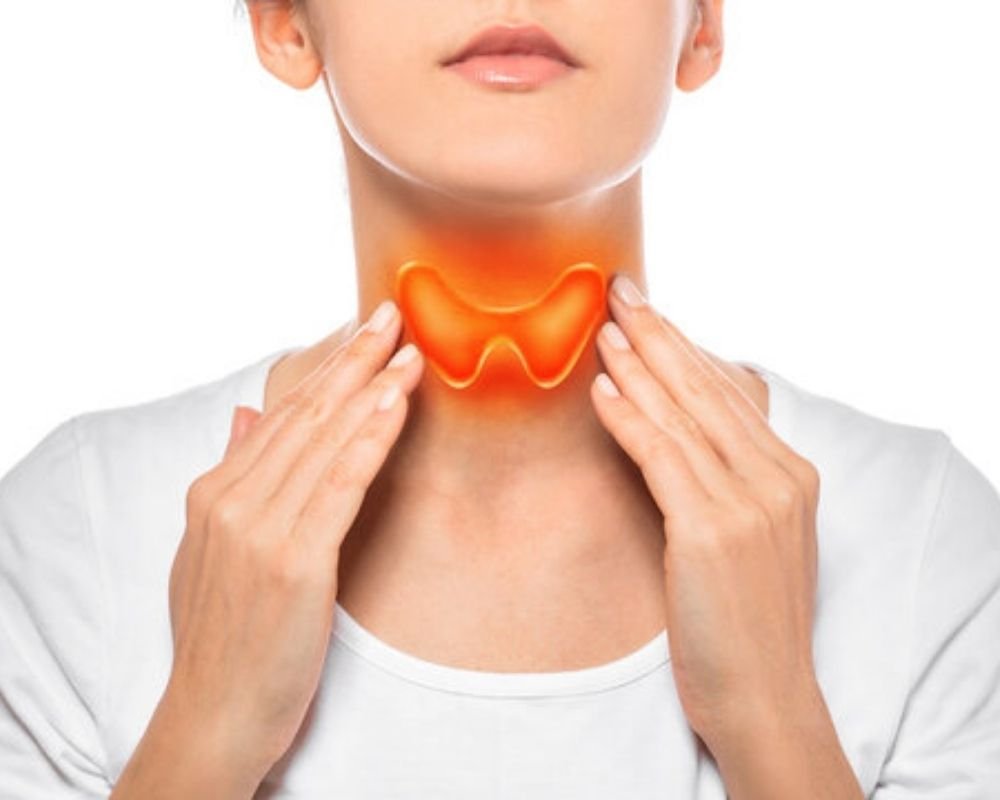
Thyroid Disorders Treatment in Ahmedabad
Thyroid problems can affect energy, weight, heart rate, periods, fertility, mood and many other aspects of everyday health. Yet a thyroid blood test that is slightly abnormal does not always mean that immediate treatment is needed.
Dr. Shruti Khare Aterkar is a DM-qualified Endocrinologist and Diabetologist who evaluates thyroid disorders by looking at hormone levels, symptoms, medications, other medical conditions and the reason behind the abnormality. This helps distinguish between conditions that need treatment, those that need monitoring and situations where further testing is required.
If you are looking for thyroid treatment in Ahmedabad, the first step is to understand whether the thyroid is producing too little hormone, too much hormone, forming a nodule, or changing during pregnancy.
Helping You Understand Your Hormones
The Hormone-Metabolism Connection Behind Thyroid Disorders
Thyroid disorders can develop gradually, and the changes may initially seem unrelated to the thyroid itself. An abnormal thyroid report does not automatically mean lifelong medication. The reason behind the abnormal result matters.
01
When Your Body Starts Feeling Different
Unexplained tiredness, weight changes, constipation, heat or cold intolerance, palpitations, changes in periods or alterations in mood can sometimes occur with thyroid dysfunction. These symptoms can also have many other causes.
02
When a Blood Test Shows an Abnormality
A high or low TSH does not always tell the complete story. Free T4, sometimes T3, previous reports, medicines and the clinical situation help determine what the result actually means.

Thyroid Treatment in Ahmedabad Depends on Which Pattern You Have
The thyroid can become underactive or overactive, and the management of each condition is different. Some abnormalities may also be temporary or related to another medical condition.
When the Thyroid Is Underactive (Hypothyroidism)
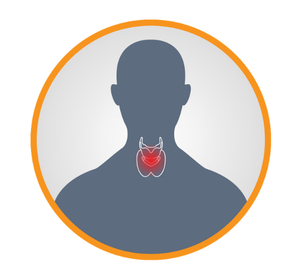
Hypothyroidism occurs when the body does not produce enough thyroid hormone. It may cause tiredness, weight gain, constipation, dry skin, feeling unusually cold and menstrual changes, although symptoms vary between individuals.
When the Thyroid Is Overactive (Hyperthyroidism)
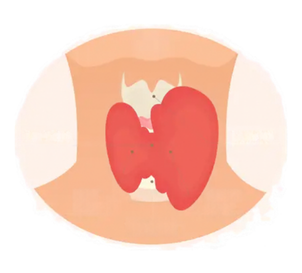
Hyperthyroidism occurs when the body has too much circulating thyroid hormone. Fast or irregular heartbeat, tremors, heat intolerance, increased sweating, anxiety and unexplained weight loss may occur.
When Thyroid Problems Affect Pregnancy
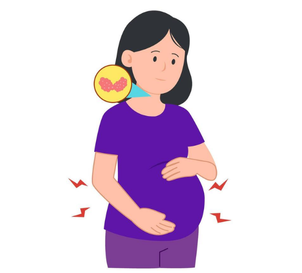
Pregnancy can change thyroid hormone requirements, making monitoring especially important for women with hypothyroidism or hyperthyroidism. Thyroid levels may need closer follow-up and medication adjustments during pregnancy.
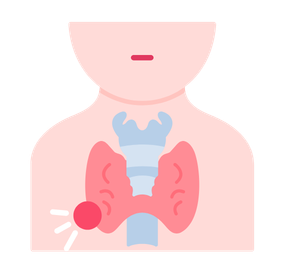
When Thyroid Nodule Needs Evaluation
Thyroid nodules may require assessment based on their size, ultrasound features, growth over time and associated symptoms. Thyroid function tests are often part of the initial evaluation.
Thyroid Disorder Treatment Starts With Proper Thyroid Evaluation
Thyroid assessment usually starts with blood tests but does not end there. The results need to be interpreted in the context of your symptoms, medical history and medications. The exact tests differ between patients. Someone with a raised TSH may need a different evaluation from someone with suppressed TSH, a neck swelling or thyroid-related concerns during pregnancy. The assessment may include:
TSH & Free Thyroid Hormones

Symptoms & Clinical Examination
Previous Thyroid Reports

Medicines & Medical History
Ultrasound When Indicated
Thyroid Treatment in Ahmedabad for Hypothyroidism
Hypothyroidism is usually managed with thyroid hormone replacement, but the need for treatment and the appropriate dose depend on your thyroid levels, symptoms, age, pregnancy status and overall health.
When Thyroid Hormone Replacement Is Needed
Levothyroxine replaces the thyroid hormone your body is not producing enough of. The dose depends on your thyroid levels, age, weight, pregnancy status and overall health.
When TSH Needs to Be Rechecked
After starting or changing thyroid medication, TSH is checked after an appropriate interval to see whether the current dose is maintaining the desired thyroid hormone levels.
When Thyroid Hormone Replacement Is Needed
A mildly raised TSH does not always require immediate medication. Symptoms, thyroid antibodies, age, pregnancy plans and the degree of elevation help guide treatment.
Thyroid Treatment in Ahmedabad for Hyperthyroidism
Hyperthyroidism occurs when the thyroid produces more hormone than the body needs. Treatment depends on the underlying cause, severity of hormone excess, symptoms and how the condition responds to initial management.
When Thyroid Hormone Production Needs Control
Antithyroid medicines can reduce excess thyroid hormone production and help bring levels back to the desired range. The choice and duration depend on the underlying cause and treatment response.
When Symptoms Need Additional Support
Symptoms such as a fast heartbeat, tremors, anxiety and sweating may need separate management while the thyroid condition is being brought under control. The medicines used depend on your symptoms and health.
When Other Treatment Options Are Considered
Radioactive iodine or thyroid surgery option may be considered when sometimes medicines are unsuitable, ineffective or when a thyroid nodule or structural problem requires a different treatment approach.
Thyroid Treatment in Ahmedabad During Pregnancy
Pregnancy changes the body’s thyroid hormone requirements, so women with hypothyroidism or hyperthyroidism may need closer monitoring. Treatment decisions also need to consider the stage of pregnancy and the health of both mother and baby.
When Thyroid Hormone Needs Adjustment
Women taking levothyroxine may need a dose adjustment during pregnancy as thyroid hormone requirements increase. TSH is monitored regularly to help maintain appropriate levels throughout pregnancy.
When Hyperthyroidism Needs Careful Control
Hyperthyroidism during pregnancy requires careful monitoring because both uncontrolled hormone excess and inappropriate medication doses can create risks. Treatment is adjusted according to thyroid levels and pregnancy stage.
When Thyroid Needs Checking Before Pregnancy
Women with known thyroid disorders should ideally have their thyroid levels reviewed when planning pregnancy. Getting the condition under control early can help guide medication and monitoring during the pregnancy.
Thyroid Treatment in Ahmedabad for Thyroid Nodules
Treatment for a thyroid nodule depends on whether it is benign or suspicious, whether it affects thyroid function and whether it is causing pressure or swallowing symptoms. Many nodules only need observation. Most thyroid nodules do not require immediate surgery. The treatment decision follows the ultrasound, thyroid function and biopsy findings when indicated.
When Monitoring is Enough
Benign or low-risk nodules may be followed with periodic review and ultrasound to check for changes in their size or appearance over time.
When a Biopsy Changes the Decision
If a nodule has suspicious ultrasound features or meets size criteria, fine-needle aspiration may be advised. The biopsy result helps determine whether observation or further treatment is appropriate.
When Treatment or Surgery Is Needed
Larger, growing or suspicious nodules may require further intervention. Surgery may be considered when cancer is suspected, the nodule causes significant pressure symptoms or other clinical factors make removal appropriate.

Why an Endocrinologist May Matter in PCOD Treatment?
Thyroid disorders can involve more than an abnormal TSH level. An endocrinologist can assess the underlying hormone pattern, determine whether treatment is necessary and manage thyroid conditions when they overlap with pregnancy, diabetes, PCOS, obesity or other endocrine concerns.
The need for specialist care depends on the thyroid problem and its severity. Some cases are straightforward to monitor, while others require closer evaluation, additional testing or treatment changes. If your thyroid reports keep changing or your symptoms do not match your test results, specialist evaluation can help clarify what needs attention.
Specialist Care for Endocrine & Metabolic Health
Choosing the Right Specialist for Thyroid Treatment in Ahmedabad
Thyroid disorders can range from straightforward hormone replacement to complex cases involving pregnancy, nodules, hyperthyroidism or thyroid cancer. An endocrinologist can help determine which level of evaluation is appropriate.
Years of Clinical Practice
Patients Managed
Years of Specialist Experience
What to Look for in a Specialist
- Endocrine Specialist Training
- Hormone-Focused Evaluation
- Medication Dose Review
- Nodule Assessment
- Long-Term Monitoring
Thyroid Treatment in Ahmedabad: What to Expect Over Time
Not every thyroid condition behaves in the same way. Some require lifelong hormone replacement, while others resolve or change over time. A thyroid condition may be long-term, but that does not mean your treatment plan should remain unchanged forever.

Medication May Need Adjustment
Thyroid hormone requirements can change with pregnancy, weight changes, age, other medicines and changes in thyroid function. Periodic testing helps determine whether the current dose remains appropriate.
Nodules May Need Monitoring
A benign thyroid nodule may remain stable for years, while another may change and require repeat imaging or further assessment. Follow-up depends on the nodule's features and initial findings.
Thyroid Disorders Can Change With Life Stages
Pregnancy, menopause, ageing and other health changes can alter thyroid requirements or the way thyroid disease is managed. Follow-up helps account for these changes rather than treating the original prescription as permanent.
Questions Patients Often Ask About PCOD
Have questions about thyroid medicines, TSH levels, nodules, pregnancy or thyroid cancer? Here are answers to some of the questions patients commonly ask before seeking specialist evaluation.
Does everyone with hypothyroidism need thyroid medicine?
Not always. Treatment depends on TSH levels, symptoms, thyroid antibodies, age, pregnancy status and other clinical factors. Some mild abnormalities may initially be monitored.
Can thyroid medicine be stopped once TSH becomes normal?
Do not stop thyroid medicine without medical advice. A normal TSH may indicate that the current treatment is working rather than that the underlying thyroid problem has disappeared.
Does every thyroid nodule require a biopsy?
No. Ultrasound features and nodule size help determine whether fine-needle aspiration is appropriate. Many nodules can be monitored without immediate biopsy.
Can thyroid nodules become cancerous?
Most thyroid nodules are benign, but a small proportion are malignant. Ultrasound and, when indicated, fine-needle aspiration help determine which nodules need further evaluation.
Can thyroid problems affect pregnancy?
Yes. Both hypothyroidism and hyperthyroidism can require closer monitoring during pregnancy. Medication doses may also need adjustment to maintain appropriate thyroid hormone levels.
How often should thyroid tests be checked?
The interval depends on the condition and whether medication has recently been started or changed. Your doctor can recommend the appropriate testing schedule based on your thyroid levels and clinical situation.
If you have an abnormal thyroid report, ongoing symptoms, a thyroid nodule, difficulty controlling thyroid levels or a thyroid disorder during pregnancy, specialist evaluation can help clarify what needs to happen next. For thyroid treatment in Ahmedabad, Dr. Shruti Khare Aterkar can assess thyroid function, hormonal patterns and structural thyroid concerns to determine whether you need medication, further testing or monitoring.