




Obesity & Weight Management

Obesity & Weight Management in Ahmedabad

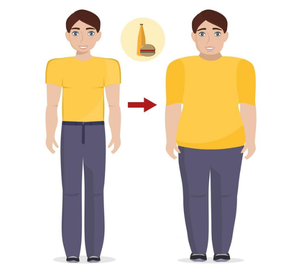
Obesity is not simply a matter of eating too much or exercising too little. Weight can be influenced by insulin resistance, appetite-regulating hormones, sleep, medications, thyroid function, genetics, activity levels and other metabolic factors.

Dr. Shruti Khare Aterkar is a DM-qualified Endocrinologist and Diabetologist with 17 years of overall clinical experience and 11 years as a specialist. Her approach to weight management looks beyond the number on the weighing scale to understand what may be making weight gain difficult to reverse and which health risks need attention alongside it.

If you are looking for obesity treatment in Ahmedabad, the first step is not simply being given a diet chart. It is understanding your weight pattern, metabolic health, contributing factors and treatment goals before deciding whether lifestyle measures, medication or other interventions have a role.

The Hormone-Metabolism Connection Behind Weight Gain

Body weight is regulated by several biological systems that influence hunger, fullness, energy use and fat storage. When these systems change, maintaining weight loss can become difficult even when someone is making consistent efforts.

01

Where Metabolism Enters the Picture

Insulin sensitivity, appetite signals, sleep, physical activity and energy expenditure can all affect how the body responds to food and weight-loss efforts. Conditions such as hypothyroidism, PCOS and certain medications can also contribute to weight gain.

02

Why the Same Plan Does Not Work for Everyone

One person may gain weight alongside insulin resistance and prediabetes. Another may struggle after pregnancy, menopause, medication changes or years of repeated dieting. Someone else may have significant obesity with relatively normal glucose levels.

When Weight Becomes Worth Investigating

Not every change in weight requires medical treatment. The concern becomes greater when excess weight is persistent, continues to increase, or begins affecting blood sugar, blood pressure, sleep, mobility or other aspects of health.

When Weight Comes With Other Changes

Increasing waist size, elevated blood sugar, irregular periods, high blood pressure, abnormal cholesterol, snoring or daytime tiredness can indicate that weight is affecting more than appearance.

When Weight Gain Happens Unexpectedly

Rapid or unexplained weight gain can sometimes be related to medications, fluid retention or endocrine conditions. A sudden change deserves a different assessment from long-standing weight gain.

You do not have to wait until weight begins affecting multiple areas of health before seeking an evaluation.

Obesity Treatment in Ahmedabad Starts With Understanding Your Weight Pattern

BMI is useful for identifying overweight and obesity, but it does not tell the complete story. Weight-related assessment also considers body composition, waist measurements, metabolic health and conditions associated with excess weight. Current ADA guidance recommends BMI alongside additional measures of adiposity where appropriate.

Weight & Waist Measurements
Glucose & Insulin Status

Thyroid & Hormonal Factors

Blood Pressure & Lipid Profile

Medicines, Sleep & Lifestyle

Why an Endocrinologist May Matter in Obesity Treatment in Ahmedabad

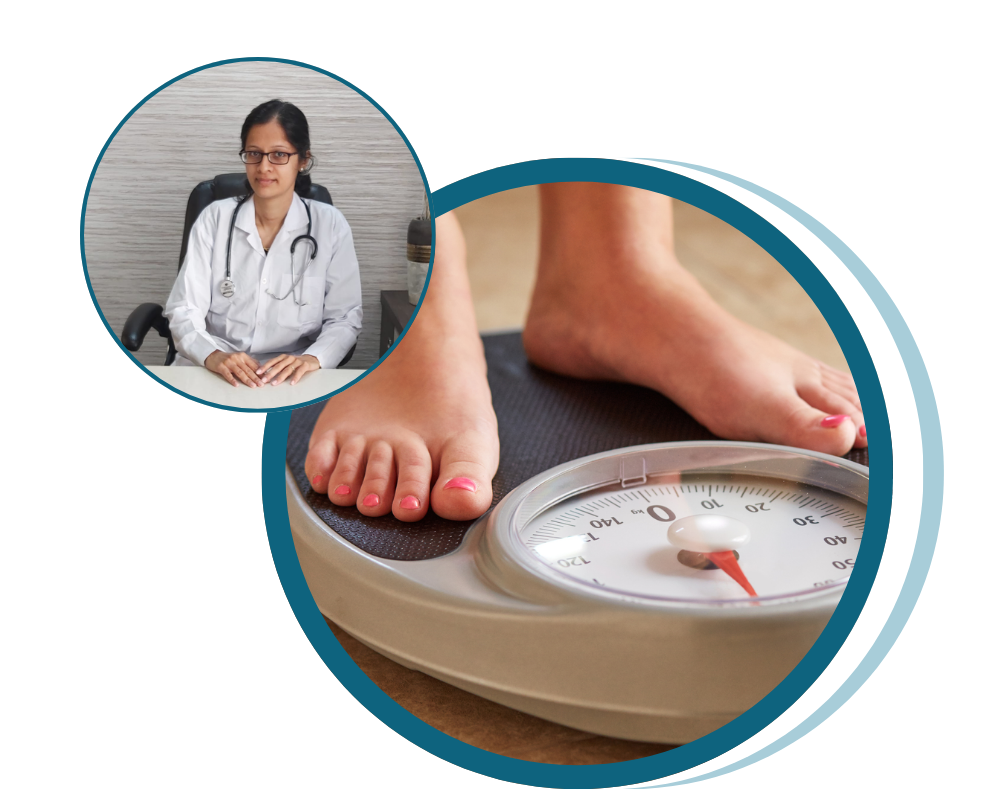
Weight regulation overlaps with endocrinology because hormones and metabolism influence appetite, glucose control, fat distribution and energy balance. An endocrinologist can also assess conditions that may contribute to weight gain or become more likely as weight increases.

Dr. Shruti Khare Aterkar’s training in endocrinology and diabetology allows weight concerns to be assessed alongside diabetes, thyroid disorders, PCOS and other endocrine conditions. Her current professional profiles list obesity treatment among her clinical services.

Specialist Care for Endocrine & Metabolic Health

Choosing an Endocrinologist for Obesity Treatment in Ahmedabad

Choosing a specialist matters when weight concerns are accompanied by diabetes, PCOS, thyroid problems or other metabolic conditions. The right evaluation should look at why the weight is changing and what health risks need attention.

0 +

Years of Clinical Practice

+

Patients Managed

0 +

Years of Specialist Experience

What to Look for in a Specialist

What to Expect From Obesity Treatment in Ahmedabad Over Time

Weight management is usually measured over months rather than days. The first changes may be encouraging, but maintaining them is what determines the longer-term benefit.

Weight Loss Is Not the Only Marker

Follow-up may consider waist size, blood sugar, blood pressure, cholesterol, medication requirements, physical activity and other health measures alongside body weight. In people with diabetes and overweight or obesity, even 5–7% weight loss can improve glucose and intermediate cardiovascular risk factors, while greater sustained weight loss can provide additional benefits.

Treatment May Need to Change

A plan that works initially may need adjustment if weight loss plateaus, side effects occur, another health condition develops or weight begins to return. The objective is not simply to reach a particular number quickly. It is to achieve a level of weight reduction that improves health and can be maintained.

Questions Patients Often Ask About Obesity

Weight management can raise questions about diets, medicines, BMI, thyroid function and how much weight loss is actually meaningful. Here are answers to common questions patients ask before starting treatment.

No. Food intake is important, but weight can also be influenced by metabolism, activity, sleep, medications, hormonal conditions, genetics and the body’s regulation of appetite and energy balance.

Not necessarily in the same way as someone with diabetes or high blood pressure. The decision depends on BMI, waist measurement, overall health, associated risks and whether excess weight is affecting daily function or wellbeing.

Hypothyroidism can contribute to weight gain, but it is not responsible for every case of obesity. If thyroid dysfunction is suspected, appropriate thyroid testing can help determine whether it is contributing to the weight change.

Medication may be considered for some adults with obesity or overweight accompanied by weight-related health conditions, particularly when lifestyle measures alone have not achieved sufficient improvement. Eligibility and medication choice depend on the individual clinical picture.

Weight regain can occur after stopping some obesity medicines because the biological factors that promote weight regain may persist. Whether medication should continue, change or stop needs to be assessed as part of long-term weight management.

There is no single target for everyone. Even 5–7% weight loss can improve glucose and some cardiovascular risk factors, while greater sustained weight loss may provide additional health benefits.

Book an Obesity Treatment Consultation in Ahmedabad

If your weight has continued to increase, keeps returning after dieting, or is beginning to affect blood sugar, blood pressure, periods, sleep or daily activity, it may be time to look beyond another short-term diet.For obesity treatment in Ahmedabad, Dr. Shruti Khare Aterkar can assess the metabolic and hormonal factors involved and help determine which level of treatment is appropriate for your situation.

Scroll to Top