
Hormone Imbalance & Hormonal Disorders

Hormone Imbalance & Hormonal Disorders in Ahmedabad
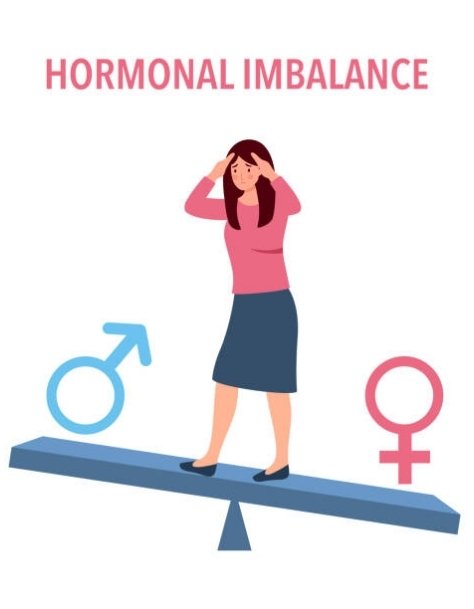
Hormones influence far more than periods or fertility. They help regulate metabolism, blood sugar, thyroid function, growth, weight, reproduction, stress responses and bone health. When one or more hormones become too high, too low or poorly regulated, the changes may appear across several parts of the body.
Dr. Shruti Khare Aterkar is a DM-qualified Endocrinologist and Diabetologist who evaluates hormonal concerns by looking at symptoms, hormone patterns, medications, medical history and related endocrine conditions. If you are looking for a hormone specialist in Ahmedabad, the first step is finding out which hormonal system may be involved rather than treating individual symptoms separately.
Helping You Understand Your Hormones
When Your Body Starts Showing a Hormonal Pattern
Hormonal changes can be gradual, and the symptoms may overlap with many other health conditions. The pattern, timing and combination of symptoms can help determine whether an endocrine evaluation is needed
01
When Energy and Weight Change
Unexplained weight changes, persistent tiredness or appetite changes can sometimes be linked to hormonal disorders.
02
When Periods Become Irregular
Missed, frequent or changing periods may be associated with PCOS, thyroid or other hormonal conditions.
03
When Skin and Hair Changes Appear
Acne, excess hair growth or scalp hair thinning can sometimes indicate altered hormone levels.
04
When Growth or Development Changes
Unexpected changes in height, puberty, sexual development or bone health may need endocrine evaluation.

Hormone Imbalance Treatment in Ahmedabad for Women
Hormonal concerns in women can involve reproductive hormones, thyroid function, prolactin, adrenal hormones and metabolic conditions such as PCOS.
When Periods Change
Irregular or absent periods can occur with PCOS, thyroid disorders, high prolactin, changes in weight or other hormonal conditions. The cause needs to be established before treatment is chosen.
When Androgen Levels Rise
Increased androgen activity may cause acne, excess facial or body hair and scalp hair thinning. PCOS is a common cause, but other endocrine conditions may also need to be considered.
When Hormones Change Around Life Stages
Puberty, pregnancy, postpartum changes and menopause can all alter hormone levels. Symptoms need to be interpreted according to the relevant stage of life.
Hormone Imbalance Treatment in Ahmedabad for Men
Hormonal concerns in men can involve testosterone, thyroid hormones, pituitary function, adrenal hormones or metabolic health.
When Testosterone Appears Low
Low energy, reduced sexual function, loss of muscle mass or other changes may lead to an assessment of testosterone. Testing needs to be interpreted with symptoms and appropriate timing.
When Pituitary Function Is Involved
The pituitary gland regulates several hormones, including those involved in reproductive function in men. Abnormal pituitary function can therefore affect testosterone and also other hormonal systems.
When Metabolic Health Intersects
Obesity, diabetes, sleep problems and other health conditions can influence hormone levels and symptoms. Looking at these factors together can help avoid incorrect conclusions from a single hormone result.
Hormone Imbalance Treatment in Ahmedabad Across Different Endocrine Conditions
Some hormonal disorders require evaluation beyond the commonly discussed thyroid or reproductive hormones.
When Pituitary Is Involved
The pituitary controls several endocrine glands. Abnormal hormone production or a pituitary growth can affect periods, fertility, growth, thyroid function, cortisol or other hormonal systems.
When the Adrenal Glands Are Involved
The adrenal glands produce hormones involved in blood pressure, metabolism and the body's response to stress. Excess or inadequate adrenal hormone production can require specialist evaluation.
When the Parathyroid Affects Calcium
Parathyroid disorders can sometimes alter calcium levels and may affect bones, kidneys and muscles. Blood calcium and related hormone testing can help identify these conditions.
Hormone Imbalance Treatment in Ahmedabad Starts With Finding the Right Hormone
Hormonal symptoms can come from different endocrine systems, so treatment begins by identifying which hormone or gland may be involved. The exact evaluation differs between patients. Someone with irregular periods may need a different assessment from someone experiencing unexplained weight changes, excessive hair growth or symptoms suggesting an adrenal or pituitary disorder.

Symptoms & Clinical Pattern
Relevant Hormone Testing
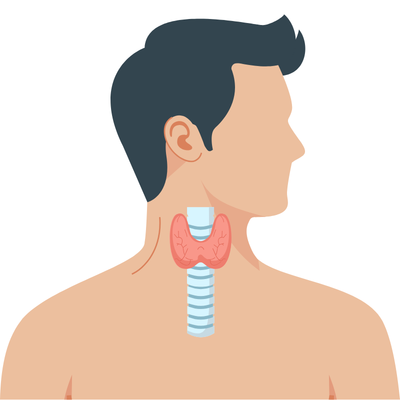
Thyroid & Metabolic Health
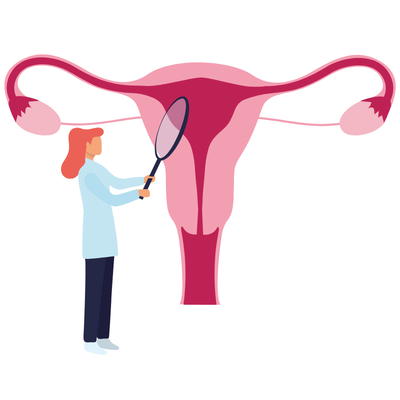
Menstrual & Reproductive History

Medicines & Medical Conditions
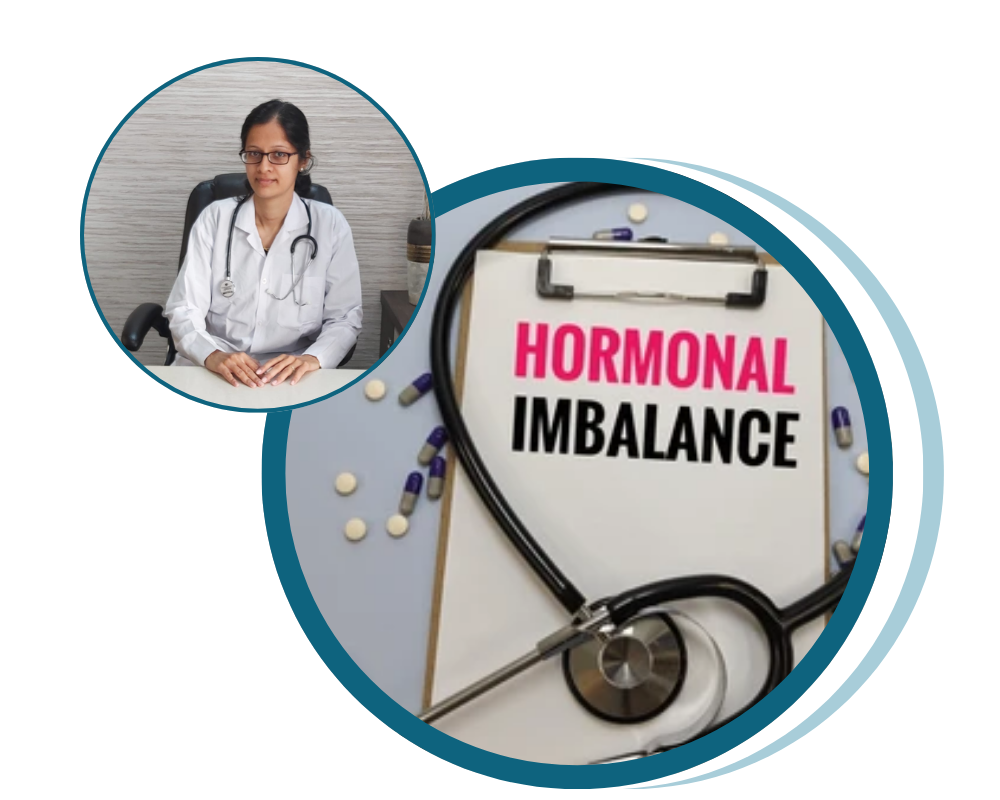
Why an Endocrinologist May Matter in Hormone Imbalance Treatment in Ahmedabad
Hormonal symptoms can overlap across several endocrine conditions. An endocrinologist can assess whether the problem is coming from the thyroid, pituitary, adrenal glands, ovaries, testes or another part of the endocrine system.
An endocrinologist can also assess hormonal concerns when they occur alongside diabetes, PCOS, thyroid disorders, obesity, osteoporosis or other endocrine conditions. When several symptoms appear together, looking for a common hormonal cause can be more useful than treating each symptom separately.
Specialist Care for Endocrine & Metabolic Health
Choosing a Specialist for Hormone Imbalance Treatment in Ahmedabad
Hormonal disorders can overlap with diabetes, thyroid disease, PCOS, obesity, osteoporosis and other endocrine conditions. Specialist evaluation can help connect these findings when they occur together.
Years of Clinical Practice
Patients Managed
Years of Specialist Experience
What to Look for in a Specialist
- Endocrine Specialist Training
- Hormone Pattern Assessment
- Relevant Testing Strategy
- Underlying Cause Evaluation
- Long-Term Monitoring
What to Expect From Hormone Imbalance Treatment in Ahmedabad Over Time
Hormonal conditions often require follow-up because hormone levels can change with treatment, age, pregnancy, weight and other health conditions. Hormone treatment is rarely about one test and one prescription. Follow-up helps determine whether the approach is actually working.

Hormone Levels May Need Rechecking
Repeat testing may be needed after starting or changing treatment to determine whether hormone levels are moving in the intended direction.
Treatment May Need Adjustment
Medication doses can change according to hormone results, symptoms, pregnancy status, other medicines and the underlying endocrine condition.
Follow-Up Depends on the Disorder
Some hormonal conditions can be monitored periodically, while others require regular blood tests, imaging or long-term medication.
Questions Patients Ask About Hormone Imbalance
Hormonal symptoms can be difficult to interpret because they often overlap with other conditions. Here are answers to common questions patients ask before seeking specialist evaluation.
What are the signs of a hormone imbalance?
Symptoms vary depending on the hormone involved. Changes in periods, weight, energy, skin, hair, blood sugar, sexual function or growth can sometimes indicate an endocrine problem.
Do I need a hormone test if I have symptoms?
Not necessarily. The appropriate tests depend on your symptoms, medical history and the suspected endocrine condition. Testing without a clinical reason can produce results that are difficult to interpret.
Can stress cause a hormone imbalance?
Stress can influence several hormonal systems, but persistent symptoms should not automatically be attributed to stress. An appropriate evaluation may be needed when changes continue.
Can thyroid problems cause hormone imbalance symptoms?
Yes. Thyroid disorders can affect energy, weight, periods, mood, heart rate and other functions. Thyroid testing may therefore form part of an endocrine evaluation when clinically appropriate.
Can hormone imbalance affect periods?
Yes. PCOS, thyroid disorders, prolactin abnormalities and other endocrine conditions can affect menstrual cycles. The underlying cause determines the appropriate treatment.
Does hormone imbalance always require medication?
No. Treatment depends on the underlying condition and severity. Some hormonal changes only require monitoring, while others need medication or treatment of the affected endocrine gland.
If you have persistent changes in periods, weight, energy, skin, hair, growth or other symptoms that may have a hormonal connection, an endocrine evaluation can help identify whether there is an underlying disorder. For hormone imbalance treatment in Ahmedabad, Dr. Shruti Khare Aterkar can evaluate the relevant hormonal systems, interpret existing reports and determine whether further testing, treatment or monitoring is needed.