
Pituitary Disorders Treatment
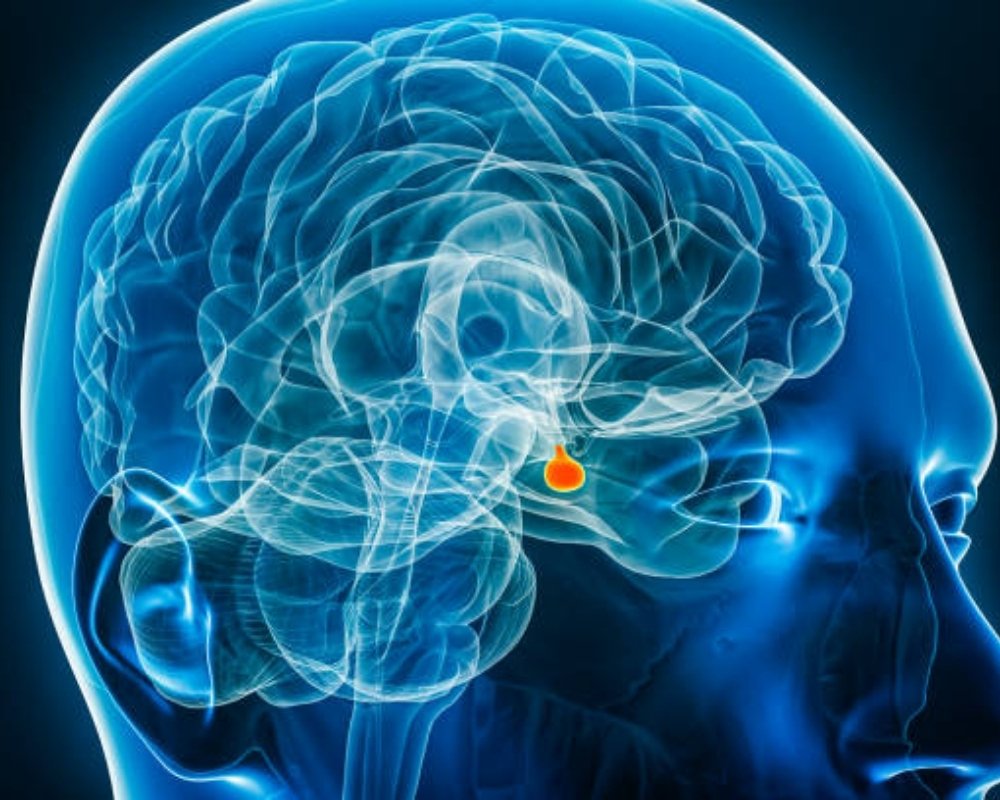
Pituitary Disorders Treatment in Ahmedabad
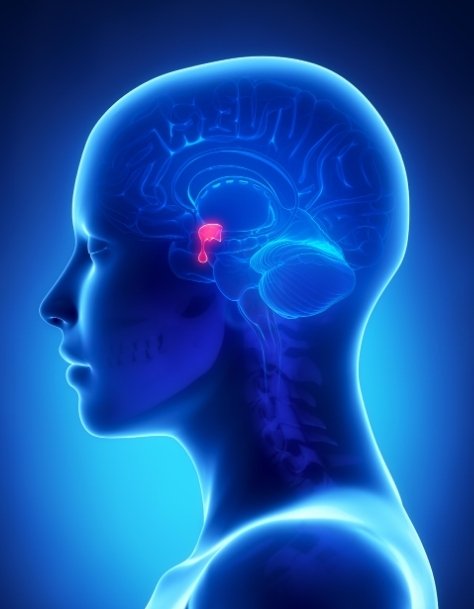
The pituitary gland is small, but it controls several important hormonal systems in the body. It influences growth, thyroid function, reproductive hormones, adrenal function, water balance and, indirectly, metabolism and bone health.
Pituitary disorders can develop because the gland produces too much or too little of a hormone, or because a growth within the gland affects hormone production or nearby structures. Some are discovered through blood tests, while others come to attention because of changes in periods, fertility, growth, vision, weight or energy.
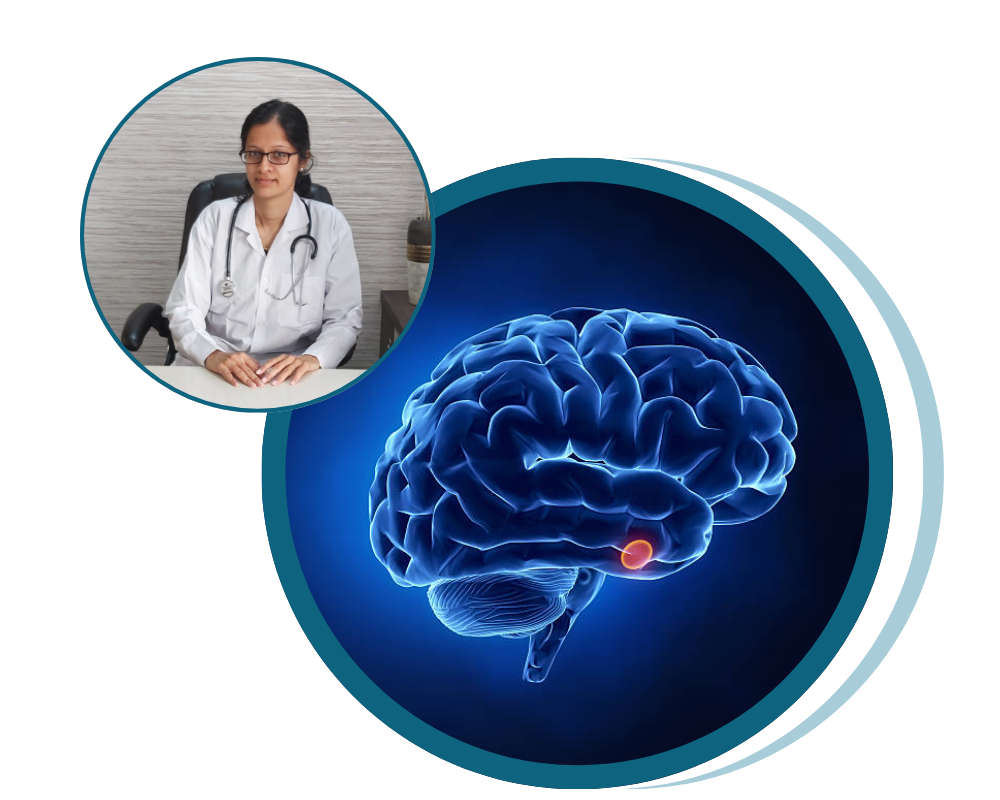
Dr. Shruti Khare Aterkar is a DM-qualified Endocrinologist and Diabetologist who evaluates pituitary conditions through hormone testing, clinical assessment and imaging when required. If you are looking for pituitary disorders treatment in Ahmedabad, the first step is to identify which pituitary hormone is affected and whether there is an underlying cause that needs treatment.
When the Pituitary Starts Showing Signs
01
When Periods or Fertility Change
Irregular periods, absent periods or reduced fertility may sometimes be linked to altered pituitary hormones.
02
When Headaches or Vision Change
Persistent headaches or peripheral vision changes can occur when a pituitary growth affects nearby structures.
03
When Growth or Body Changes Differ
Changes in height, hand or foot size, facial features or body composition may indicate excess growth hormone.
04
When Energy or Hormones Fall
Fatigue, weakness, low blood pressure or reduced libido can occur when pituitary hormone production is reduced.

Pituitary Disorders Treatment in Ahmedabad Starts With Finding the Right Hormone
Pituitary evaluation is not based on one hormone test. The gland controls several hormonal pathways, so the assessment needs to establish which system may be affected. The exact evaluation differs between patients. Someone with high prolactin may need a different work-up from someone with suspected growth hormone excess or reduced pituitary function.
Pituitary Hormone Levels
Thyroid & Adrenal Function
Reproductive Hormone Changes
Growth & Metabolic Changes

MRI When Clinically Indicated
Why an Endocrinologist May Matter in Pituitary Disorders Treatment in Ahmedabad
Pituitary hormones influence several endocrine systems at once. An endocrinologist can assess whether a hormone abnormality originates from the pituitary, another gland or a medication or medical condition affecting the result.
Pituitary evaluation may also be important when a scan identifies an incidental pituitary lesion even though the person has few or no symptoms. The important question is not only whether a pituitary lesion exists, but whether it is producing hormones or affecting normal pituitary function.
Specialist Care for Endocrine & Metabolic Health
Choosing a Specialist for Pituitary Disorders Treatment in Ahmedabad
Pituitary conditions often require interpretation of several hormone systems rather than one isolated blood-test result. Specialist endocrine evaluation can help establish the underlying pattern.
Years of Clinical Practice
Patients Managed
Years of Specialist Experience
What to Look for in a Specialist
- Pituitary Hormone Assessment
- Endocrine Function Review
- Relevant Testing Strategy
- MRI Finding Interpretation
- Long-Term Hormone Monitoring
What to Expect From Pituitary Disorders Treatment in Ahmedabad Over Time
Pituitary conditions often require follow-up because hormone levels and gland function can change over time, particularly after treatment. Follow-up helps determine whether the hormonal problem is controlled and whether the pituitary continues to function adequately.

Hormone Levels May Need Rechecking
Repeat blood tests can show whether hormone excess or deficiency is improving and whether other pituitary-controlled hormones remain stable.
Medication May Need Adjustment
Medicines used to control hormone excess or replace deficient hormones may need dose changes based on laboratory results and clinical response.
MRI May Need Follow-Up
Some pituitary lesions are monitored with repeat imaging to determine whether their size is stable or changing. The timing depends on the lesion and clinical findings.
Questions Patients Ask About Pituitary Disorders
Pituitary disorders can be difficult to understand because the gland affects several hormones at once. Here are answers to common questions patients ask before seeking specialist evaluation.
What does the pituitary gland control?
The pituitary regulates several hormones involved in thyroid function, adrenal function, growth, reproduction and other endocrine processes. It is sometimes called the body’s master endocrine gland.
Is every pituitary tumour cancerous?
No. Most pituitary tumours are benign rather than cancerous. Their significance depends on whether they produce hormones, affect normal pituitary function or press on nearby structures.
Can high prolactin be treated?
Yes. The treatment depends on why prolactin is elevated. Medicines can often control prolactin-producing pituitary tumours, while other causes may require a different approach.
Can pituitary problems affect fertility?
Yes. Abnormal pituitary hormones can interfere with reproductive hormone production and affect periods, ovulation, sperm production or sexual function.
Does every pituitary lesion require surgery?
No. Some lesions can be managed with medication or regular monitoring. Surgery is considered when the clinical situation makes it necessary.
Can pituitary hormone deficiency be treated?
Yes. Treatment may involve replacing hormones that are deficient, such as thyroid or adrenal hormones. The specific replacement depends on which pituitary pathway is affected.
If you have persistent hormonal abnormalities, unexplained changes in periods or fertility, recurrent headaches, visual changes, unusual growth-related changes or an incidental pituitary finding on MRI, an endocrinology consultation can help clarify what is happening. For pituitary disorders treatment in Ahmedabad, Dr. Shruti Khare Aterkar can evaluate pituitary hormone patterns, review existing reports and determine whether further testing, treatment or monitoring is needed.