
Diabetes Treatment
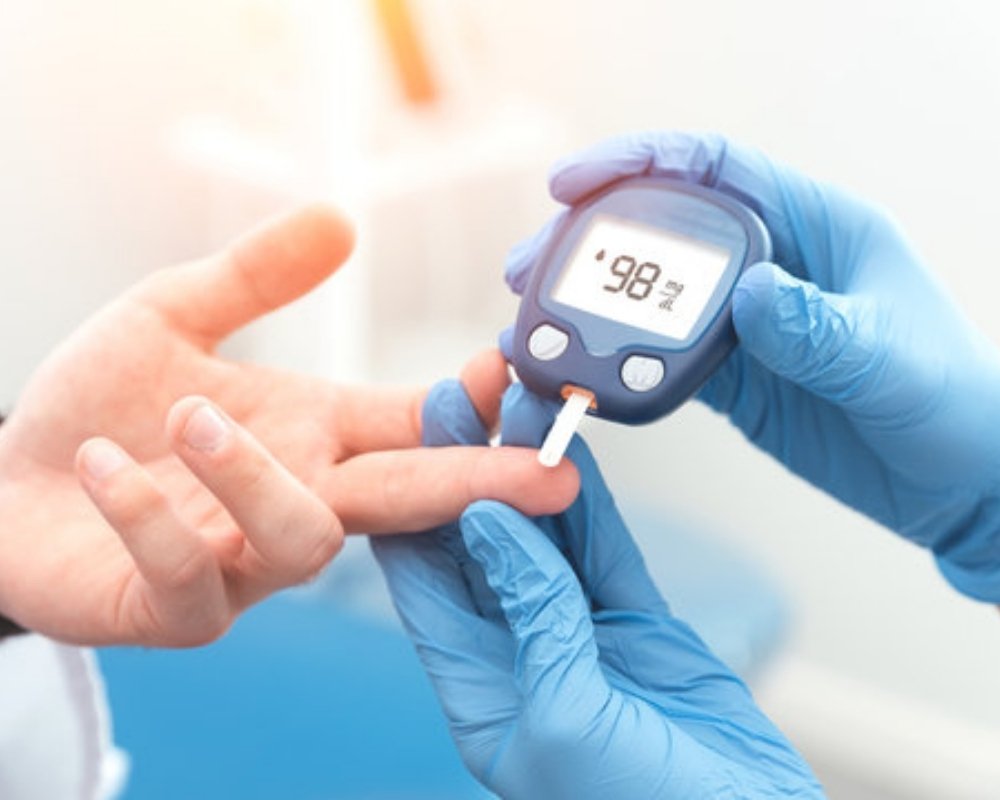
Diabetes Treatment in Ahmedabad
Diabetes can develop at different stages of life and for different reasons. A child who develops type 1 diabetes, an adult with type 2 diabetes, a woman diagnosed during pregnancy and a newborn with neonatal diabetes require very different evaluations and treatment approaches.
Dr. Shruti Khare Aterkar is a DM-qualified Endocrinologist and Diabetologist who evaluates diabetes according to the person’s age, glucose pattern, insulin production, associated health conditions and stage of life. The aim is to identify the type of diabetes correctly and determine what needs to be monitored or treated.
If you are looking for diabetes treatment in Ahmedabad, the first step is understanding which form of diabetes is present and what is driving the abnormal blood sugar levels.
The Hormone-Metabolism Connection Behind Diabetes at Every Age
01
When Diabetes Starts in Childhood
Type 1 diabetes develops when the body stops producing insulin, often requiring insulin from diagnosis.
02
When Diabetes Develops in Adulthood
Type 2 diabetes is linked to insulin resistance and reduced insulin production, often influenced by metabolic health.
03
When Diabetes Appears During Pregnancy
Gestational diabetes develops during pregnancy and requires monitoring to protect both mother and baby.
04
When Diabetes Appears in a Newborn
Neonatal diabetes develops early in infancy and may require genetic testing to guide treatment.

Diabetes Treatment in Ahmedabad for Type 1 Diabetes
Type 1 diabetes requires insulin because the body is no longer producing enough of its own insulin. Treatment also involves regular glucose monitoring and education about recognising high and low blood sugar.
When Insulin Becomes Essential
Insulin is required to replace the hormone the body can no longer produce adequately. The type, dose and timing of insulin depend on age, glucose pattern, meals, activity and other factors.
When Glucose Monitoring Matters
Regular glucose monitoring helps identify patterns throughout the day and can guide insulin adjustments. Depending on the situation, blood glucose monitoring or continuous glucose monitoring may be used.
When Children Need Additional Support
Children need diabetes management that fits around school, meals, sports and everyday activities. Parents also need to understand insulin administration, glucose monitoring and how to respond to low blood sugar.
Diabetes Treatment in Ahmedabad for Type 2 Diabetes
Type 2 diabetes develops through a combination of insulin resistance and changes in insulin production. Treatment depends on glucose levels, weight, kidney function, cardiovascular risk and other health factors.
When Lifestyle Measures Form the Foundation
Food choices, physical activity, sleep and weight management can improve insulin sensitivity and glucose control. These measures remain important whether or not medication is also required.
When Medicines Need to Be Started
Diabetes medicines may be prescribed when lifestyle measures alone are not enough or when glucose levels require earlier intervention. The choice depends on the individual's metabolic and medical profile.
When Insulin May Become Necessary
Some people with type 2 diabetes eventually require insulin as the body's insulin production declines and also when glucose levels are significantly elevated or other medicines are not providing adequate control.
Diabetes Treatment in Ahmedabad During Pregnancy
Gestational diabetes needs careful monitoring because pregnancy changes insulin sensitivity and glucose requirements. Treatment is selected according to glucose levels, pregnancy stage and maternal health.
When Blood Sugar Needs Closer Monitoring
Glucose readings may be checked at specific times around meals to understand whether fasting or post-meal levels are above the recommended range. Monitoring helps guide changes in diet or activity.
When Medication Is Needed
If glucose remains above the desired range despite appropriate lifestyle , medication may be required. Insulin is commonly used when medication is needed during pregnancy, depending on the clinical situation.
When Follow-Up Continues After Delivery
Gestational diabetes usually improves after pregnancy, but it increases the mother's future risk of type 2 diabetes. Postpartum glucose testing and long-term monitoring are therefore important for mother's post delivery.
Diabetes Treatment in Ahmedabad for Neonatal Diabetes
Diabetes diagnosed during the first months of life needs a different clinical approach from childhood or adult-onset diabetes.
When Diabetes Appears Very Early
Neonatal diabetes is usually diagnosed within the first six months of life. It may be temporary or permanent, and genetic causes are important in determining the Neonatal Diabetes.
When Genetic Testing Can Change Treatment
Genetic testing can identify certain forms of neonatal diabetes and may influence treatment decisions. Some genetic forms respond to specific oral medicines rather than requiring lifelong insulin.
When Long-Term Follow-Up Is Needed
Children with neonatal diabetes require ongoing monitoring of glucose control, growth and development. The treatment plan may also need review as the child grows and more information becomes available.
Diabetes Treatment Starts With Proper Diabetes Evaluation
Diabetes assessment goes beyond confirming that blood sugar is high. The pattern of glucose elevation, age at onset and clinical history help determine what type of diabetes may be present. The exact evaluation differs between patients. A child with sudden high blood sugar may need a different work-up from an adult with gradually increasing HbA1c or an infant diagnosed with diabetes in the first few months of life.
Fasting & Post-Meal Glucose
HbA1c & Glucose Pattern

Insulin Production Assessment
Family & Medical History
Relevant Genetic Testing
Why an Endocrinologist May Matter in Diabetes Treatment in Ahmedabad
Diabetes can involve insulin production, metabolism, growth, pregnancy and other hormonal systems. An endocrinologist can help determine whether the diabetes type has been correctly identified and whether other endocrine conditions are affecting glucose control.
Children and adults may also need specialist input when diabetes occurs alongside thyroid disorders, obesity, PCOS or other endocrine conditions. When the age or pattern of diabetes does not fit the usual picture, identifying the underlying cause becomes especially important.
Specialist Care for Endocrine & Metabolic Health
Choosing the Right Specialist for Diabetes Treatment in Ahmedabad
Choosing a specialist becomes particularly important when diabetes develops at an unusual age, glucose remains difficult to control, or other hormonal and metabolic conditions are involved.
Years of Clinical Practice
Patients Managed
Years of Specialist Experience

What to Look for in a Specialist
- Endocrine Specialist Training
- Diabetes-Focused Evaluation
- Glucose Pattern Review
- Medication & Insulin Review
- Long-Term Monitoring
Diabetes Treatment in Ahmedabad Also Means Watching Beyond Sugar
Blood glucose is central to diabetes management, but long-term care also involves monitoring the health problems that can develop alongside diabetes. Good diabetes management is not only about improving today’s glucose reading. It is also about reducing the health risks that build up over time.

When Kidney Health Needs Attention
Diabetes can affect kidney function over time. Appropriate blood and urine tests can help identify early changes and determine whether additional monitoring is required.
When Eye and Nerve Health Need Monitoring
Long-standing diabetes can affect the eyes and nerves. Regular screening helps identify changes early, even when there are no obvious symptoms.
When Cardiovascular Risk Matters
Blood pressure, cholesterol, smoking, weight and other cardiovascular risk factors may also need attention because diabetes increases the risk of cardiovascular disease.
Questions Patients Ask About Diabetes
Diabetes can raise different questions depending on age, pregnancy status and the type of diabetes involved. Here are answers to some common questions patients and parents ask.
Can children develop type 2 diabetes?
Yes. Type 2 diabetes can occur in children and adolescents, particularly when obesity and other metabolic risk factors are present. The clinical picture needs to be assessed rather than assuming every child has type 1 diabetes.
Does everyone with diabetes need insulin?
No. Insulin is essential in type 1 diabetes and is commonly used in neonatal diabetes, while many people with type 2 diabetes can initially be managed with other medicines. Treatment depends on the underlying type and insulin production.
Can gestational diabetes go away after pregnancy?
Blood sugar often returns to the normal range after delivery, but gestational diabetes increases the future risk of type 2 diabetes. Postpartum testing and ongoing monitoring remain important.
Why does a newborn need genetic testing for diabetes?
Diabetes developing during the first months of life can have a genetic cause. Identifying the specific form can sometimes change treatment, including whether insulin or another medicine is most appropriate.
Can diabetes type change over time?
The underlying type generally does not simply change from one category to another, but the clinical presentation can become clearer over time. Additional testing may be useful when the original classification is uncertain.
How often should HbA1c be checked?
The frequency depends on the type of diabetes, current glucose control and whether treatment has recently changed. Your doctor can recommend the appropriate interval based on your clinical situation.
Whether diabetes has been diagnosed in childhood, adulthood, during pregnancy or in the first months of life, identifying the correct type is an important first step. For diabetes treatment in Ahmedabad, Dr. Shruti Khare Aterkar can evaluate glucose patterns, insulin requirements and related endocrine factors to determine the appropriate next step.