
PCOS/PCOD Treatment
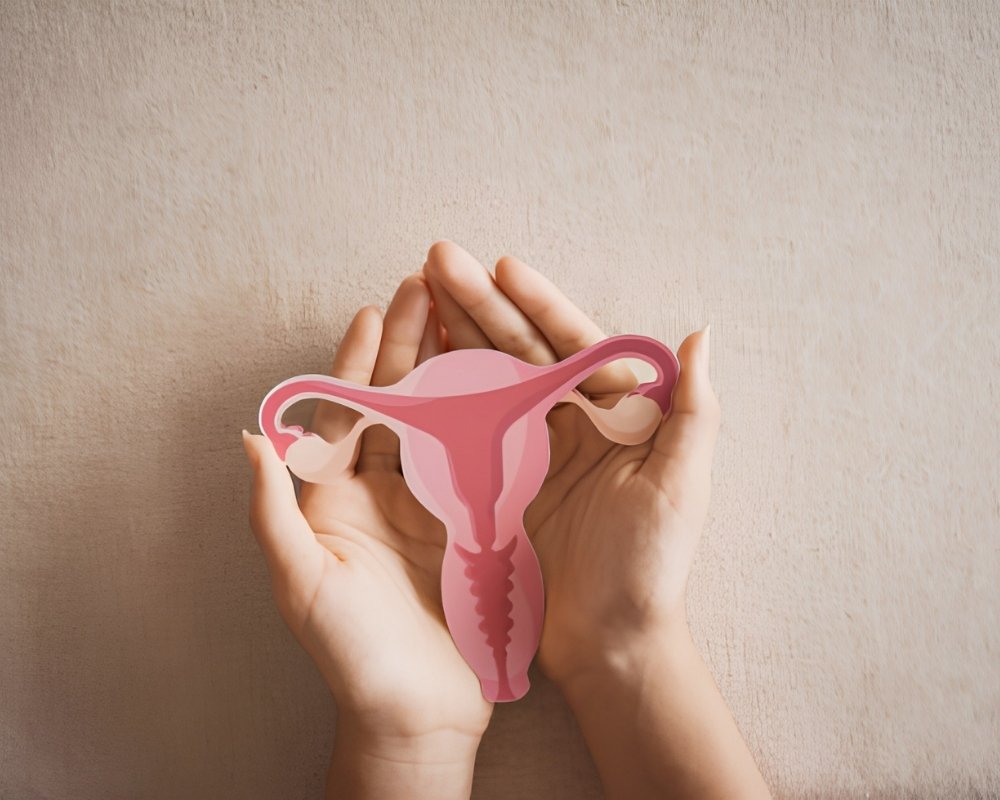
PCOD / PCOS Treatment in Ahmedabad
PCOD and PCOS are often reduced to irregular periods, weight gain or an ultrasound showing “polycystic ovaries.” But the condition can involve several hormone and metabolic pathways, and the pattern can look very different from one woman to another.
Dr. Shruti Khare Aterkar is a DM-qualified Endocrinologist and Diabetologist with 16 years of clinical experience, including training and teaching experience at Seth G.S. Medical College & K.E.M. Hospital, Mumbai. Her approach to PCOD/PCOS looks beyond the ovaries to understand how ovulation, androgens, insulin sensitivity, thyroid function and other hormones may be interacting.
If you are looking for PCOD treatment in Ahmedabad, the first step is not simply starting a tablet. It is understanding what is actually driving your symptoms and what your treatment needs to achieve whether that means more predictable periods, managing acne or unwanted hair growth, addressing metabolic concerns, or planning a pregnancy.
The Hormone-Metabolism Connection Behind PCOS
PCOS is not one fixed hormonal problem. Different women can have different combinations of irregular ovulation, androgen excess and polycystic-appearing ovaries, along with varying degrees of metabolic risk.
01
Where Insulin and Androgens Fit In
Insulin resistance can increase androgen production, which may interfere with normal ovulation and contribute to PCOS symptoms.
02
Why PCOS Looks Different in Every Woman
Some women mainly have irregular periods, while others experience acne, hair growth, fertility concerns, or metabolic changes. The underlying pattern can differ from person to person.

When Your Period Pattern Becomes Worth Investigating
One delayed period does not automatically indicate PCOS. What matters is the pattern over time and whether other hormonal features are present.
Patterns That Deserve a Closer Look
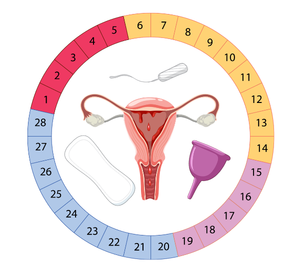
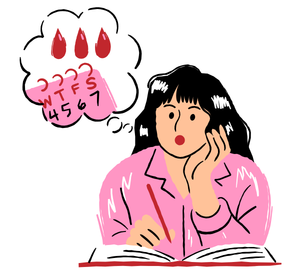
Recurring cycles longer than about 35 days, periods separated by several months, or consistently unpredictable bleeding are worth discussing with a doctor rather than waiting indefinitely for the cycle to “settle.”
New or persistent acne, increased facial or body hair, or scalp hair thinning can also point towards androgen excess, particularly when they occur alongside cycle changes.
If You Are a Teenager
Irregular periods during the early years after menstruation begins can be part of normal reproductive development. Persistent irregularity later on, especially when accompanied by marked acne, increased hair growth or other hormonal changes, deserves appropriate evaluation rather than an automatic PCOS label.
You do not have to wait until the symptoms become severe before seeking advice.
PCOD Treatment Starts With Finding the Right Pattern
An ultrasound showing polycystic-appearing ovaries does not, by itself, establish PCOS. Some women can have this appearance without having the syndrome, while others with PCOS may not have a striking ultrasound finding. Here’s what the evaluation looks at:
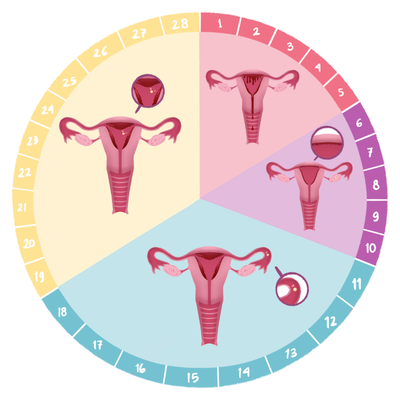
Menstrual & Ovulation History
Androgen-Related Changes
Hormone & Thyroid Testing
Glucose & Metabolic Assessment
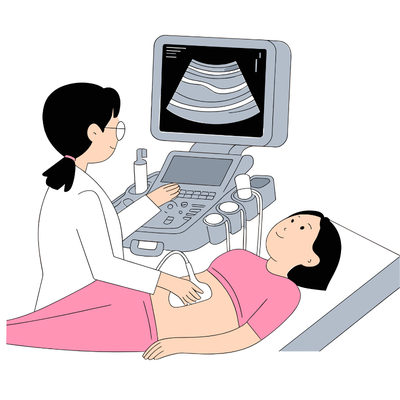
Ultrasound & Additional Tests

Why an Endocrinologist May Matter in PCOD Treatment?
PCOS sits between reproductive hormones and metabolic health. That makes endocrinology relevant when the picture involves insulin resistance, androgen excess, thyroid abnormalities, diabetes risk or other hormone disorders.
Dr. Shruti Khare Aterkar is trained in endocrinology and diabetology, with DM training from Seth G.S. Medical College, Mumbai. Her clinical background includes work in teaching hospitals as well as consultant endocrinology practice in Ahmedabad.
Specialist Care for Endocrine & Metabolic Health
Finding the Right Endocrinologist for PCOD Treatment in Ahmedabad
Choosing the right specialist matters when PCOD involves more than irregular periods. An endocrinologist can assess the hormonal, reproductive and metabolic factors together, helping determine what actually needs attention and monitoring over time.
Years of Clinical Practice
Patients Managed
Years of Specialist Experience

What to Look for in a Specialist
- Strong Endocrine Training
- Hormone-Focused Evaluation
- Metabolic Health Assessment
- Consistent Follow-Up
- Pregnancy Planning Support
What to Expect at your PCOD Treatment Consultation?
The first consultation focuses on understanding your symptoms, hormonal pattern, and metabolic health before deciding what needs to be tested or treated. Previous reports, cycle history, and your current concerns help guide a more focused evaluation.

Start With Your Health History
Your doctor reviews periods, acne, hair changes, weight, medicines, pregnancy plans and previous reports to understand your overall pattern.
Choose the Right Tests
Blood tests may assess androgens, thyroid function, prolactin, glucose and other hormones based on your symptoms and clinical findings.
Use Ultrasound When Needed
A pelvic ultrasound may be advised when useful, but the report is interpreted alongside your history, examination and blood results rather than alone.
Questions Patients Often Ask About PCOD
Have questions about PCOD, treatment, fertility, or long-term hormone health? Find clear answers to some of the questions patients commonly ask before starting treatment.
Do I need to fast before the hormone blood tests?
Fasting insulin and glucose require a 10–12 hour fast. Other hormones such as LH, FSH, and thyroid levels don’t require fasting, but timing relative to your cycle day matters for some of them, this is confirmed during the consultation before the tests are ordered.
Can PCOD be managed without medication?
In some cases, particularly where insulin resistance is mild and cycles are only slightly irregular, lifestyle changes alone are given a defined trial period before medication is added. This isn’t the default approach for every case- it depends on how significant the hormonal deviation is on testing.
My periods are already fairly regular. Do I still need treatment?
Regular cycles don’t rule out PCOD if androgen-related symptoms like acne or hair growth are present, and the metabolic risk still applies regardless of cycle regularity. Treatment in this scenario is usually less about the cycle and more about the skin symptoms and long-term metabolic tracking.
How soon can I expect changes after starting treatment?
Cycle regularity typically takes 2–3 months to show a clear pattern change. Skin and hair symptoms are slower, often 4–6 months, since hair follicle response to androgen changes lags behind hormone correction. Fertility-focused treatment is tracked cycle by cycle rather than by a fixed timeline.
Is PCOD the same as PCOS?
In India, PCOD is commonly used when referring to the same general condition, while PCOS is the internationally recognised clinical term. What matters medically is the actual combination of ovulatory, androgen and ovarian findings rather than which label appears on a report.
Will PCOS affect my ability to become pregnant?
PCOS can interfere with ovulation, which can make conception more difficult. However, ovulation-related infertility associated with PCOS is often treatable, and many women conceive with appropriate medical management.
If your periods have become unpredictable, acne or unwanted hair growth has persisted, previous PCOS treatment has not explained the underlying problem, or you are planning pregnancy, it may be time to look beyond symptom control. For PCOD treatment in Ahmedabad, a consultation with Dr. Shruti Khare Aterkar can help establish which hormonal and metabolic factors need attention and what should be monitored over time.